
Trusted by 400+ Enterprises

















Sustainability Management in the Logistics Industry
Benefit from our sector-specific sustainability platform
Benefit from logistics-specific modules and pre-filled data to accelerate your sustainability journey and benchmark against best practices from your sector.
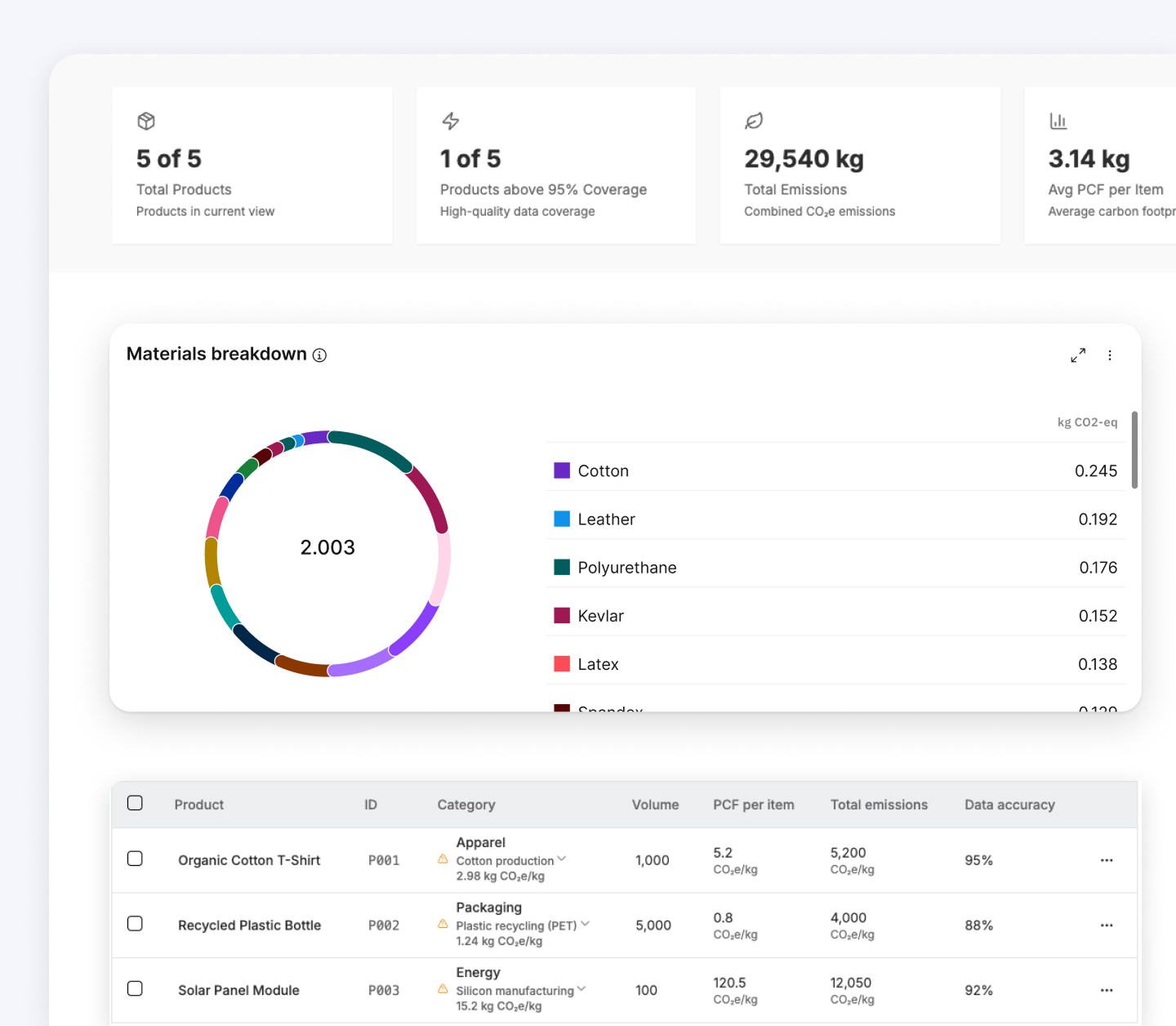
Our Platform
Calculate and manage your CO₂ emissions across fleets, warehouses, and supply chains — with data models and reduction pathways tailored to the logistics industry.
Benefit from sector-specific CO₂ activities
Sector-specific IRO suggestions
Sector-specific CO2 reduction measure proposals
Involve all entities, locations and suppliers
Why customers trust us
Our customers achieve faster results, greater transparency, and measurable impact. With automated data matching, real-time dashboards, and AI-assisted analysis, EQS helps organizations achieve compliance around sustainability regulations and create real impact through meaningful action.
Use cases
10
Clients
400+
Nr. of reports
2000+
"The EQS Sustainability Cockpit is a real game-changer in operational ESG management for us. It supports us throughout the entire process – from stakeholder surveys and the double materiality analysis to the finished VSME sustainability report, including the carbon footprint. The integrated workflows save time, create structure, and ensure high data quality. And the icing on the cake: a development team with its finger on the pulse of users – what more could you want?"

Simon Bödeker
Team Leader ESG Management at Fonds Finanz Maklerservice GmbH
EQS offers the most comprehensive and user-friendly audited solution for all relevant ESG reporting frameworks – with exceptional value for money.

Wolfgang Berger
VP Business Development, DFGE
"The EQS Sustainability Cockpit is a real game-changer in operational ESG management for us. It supports us throughout the entire process – from stakeholder surveys and the double materiality analysis to the finished VSME sustainability report, including the carbon footprint. The integrated workflows save time, create structure, and ensure high data quality. And the icing on the cake: a development team with its finger on the pulse of users – what more could you want?"
Simon Bödeker
Team Leader ESG Management at Fonds Finanz Maklerservice GmbH
EQS offers the most comprehensive and user-friendly audited solution for all relevant ESG reporting frameworks – with exceptional value for money.
Wolfgang Berger
VP Business Development, DFGE
"The EQS Sustainability Cockpit is a real game-changer in operational ESG management for us. It supports us throughout the entire process – from stakeholder surveys and the double materiality analysis to the finished VSME sustainability report, including the carbon footprint. The integrated workflows save time, create structure, and ensure high data quality. And the icing on the cake: a development team with its finger on the pulse of users – what more could you want?"
Simon Bödeker
Team Leader ESG Management at Fonds Finanz Maklerservice GmbH
EQS offers the most comprehensive and user-friendly audited solution for all relevant ESG reporting frameworks – with exceptional value for money.
Wolfgang Berger
VP Business Development, DFGE
Learn more about our platform

EU Parliament Rejects Omnibus I Compromise — What It Means for CSRD and CSDDD
Brussels, October 2025 – The European Parliament has rejected the proposal to begin trilogue negotiations with the European Commission and the Council on the Omnibus I package, narrowly voting 318 against, 309 in favour, and 34 abstentions.The decision delays one of the EU’s most significant regulatory initiatives aimed at simplifying the sustainability rulebook — and leaves businesses facing continued uncertainty about the scope and timing of core reporting and due diligence laws.
Learn more
New EU Rules to Reduce Textile and Food Waste
The European Union has taken another step toward a circular economy: the European Parliament has adopted new legislation aimed at significantly reducing food and textile waste across the EU.
Learn more
EU Commission Proposes Targeted Simplifications to Support EUDR Implementation
The European Commission has proposed a series of “targeted” amendments to the EU Deforestation Regulation (EUDR) aimed at easing administrative burdens and ensuring that the necessary EU-wide IT infrastructure is operational in time for the regulation’s entry into application.
Learn moreHow we help you
Discuss your requirements and explore how we can solve your use case with our software in a personal meeting with one of our sustainability experts.
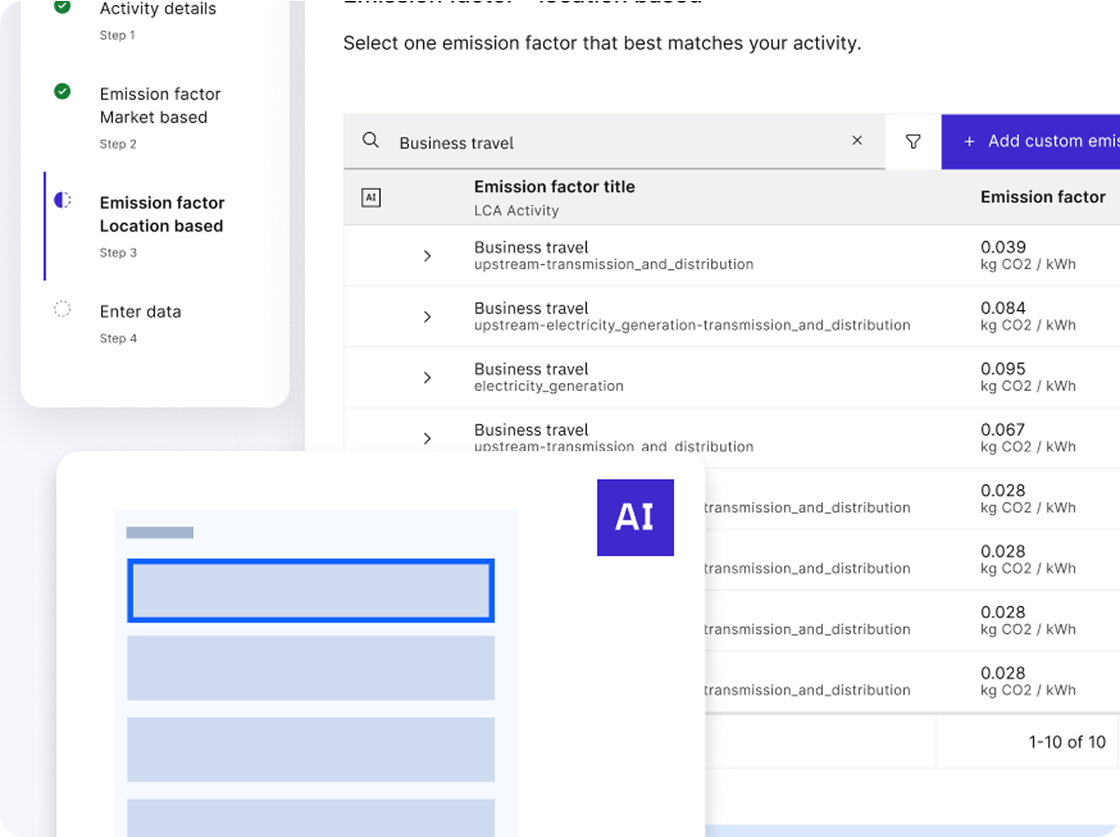
Frequently Asked Questions
Who is the module suitable for?
The CO₂ module is suitable for companies of all sizes and industries that want to efficiently track their carbon footprint and report in accordance with CSRD or VSME reporting requirements.
Are emission factors integrated, and can you use your own?
Yes. The module contains a comprehensive integrated database from Climatiq with 150,000 emission factors for Scope 1, 2, and 3. You can also integrate your own company-specific emission factors and use them for customized calculations.
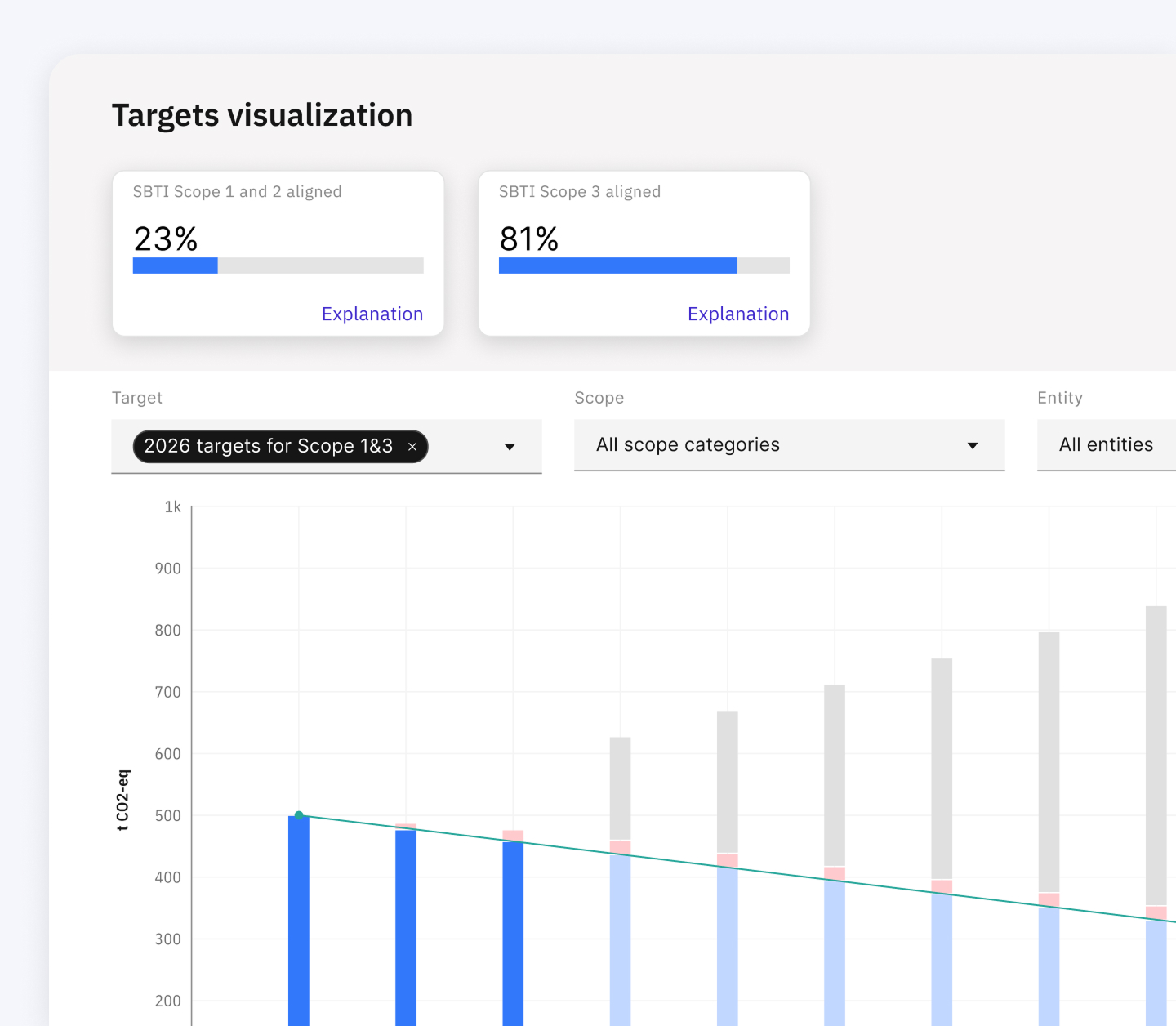
Does the module support the SBTi (Science Based Targets initiative)?
Yes, the module helps companies track emissions and progress toward science-based reduction targets (SBTi) – for better alignment with international climate goals.
Resources
Your ESG knowledge hub
Check out our latest guides and articles to help you in your sustainability journey



Start your sustainability journey
Talk to our experts to understand how Daato fits your ESG use cases.
